


Caleffi: Corporate Carbon Footprint and Sustainability Reporting with Metrikflow

A leading name in home linen, with sustainability at the center of its strategy.
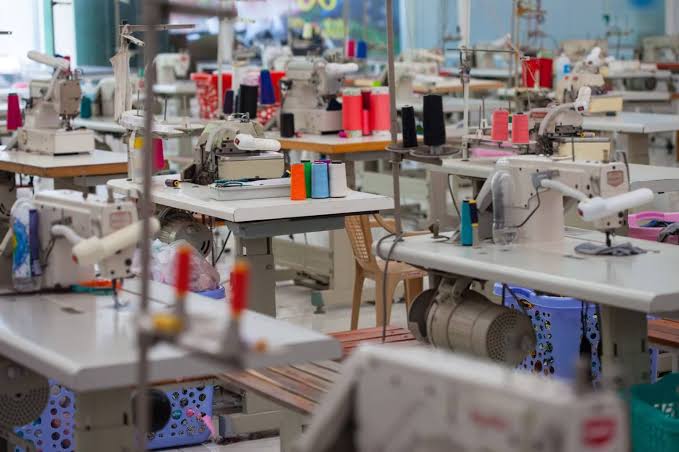
Founded in 1962, Caleffi is a leading company in the home linen industry, creating textile collections designed to support everyday comfort and well-being.
Its collections combine 100% Made in Italy design, high-quality fabrics and solutions for different styles and needs. Over the years, Caleffi has contributed to the evolution of home linen, moving from the traditional concept of the corredo to a more contemporary vision of Home Fashion, connected to the way people experience their homes and to the relationship between well-being and rest.
Sustainability is a central part of the company’s strategy. Supporting people’s well-being and protecting the environment are two key principles guiding the Group’s development and its vision for the future of living.
Caleffi wanted to strengthen its ESG data collection process.
Caleffi was looking for a structured approach to improve the level of detail in its calculations and the quality of the data available for reporting indirect emissions.
In the textile sector, Scope 3 calculations require complex information. Collecting reliable data therefore requires a clear methodology and data structure to be defined from the beginning.
The first objective was to build a solid foundation: identifying which data to collect, which sources to use, which assumptions to document and which information should be examined in greater depth in future reporting cycles.
At the same time, Caleffi needed to organise its ESG data in line with GRI Standards while maintaining a structure similar to the working files already used internally.
The main objectives were to:
- Calculate the company’s Scope 1, 2 and 3 emissions.
- Collect ESG data from different departments in a more organised way.
- Improve the traceability of sources, assumptions and methodologies.
- Support the preparation of the sustainability report in accordance with GRI Standards.
- Reduce the time spent managing information manually.
Metrikflow helped Caleffi make its data collection process more efficient, clear and repeatable.
Caleffi used two Metrikflow modules, which are also available separately: Corporate Carbon Footprint and Sustainability Reporting. Managing both processes within the same platform made it easier to connect data, sources and methodologies, reducing the time spent collecting and organising information.
The platform allowed Caleffi to structure its data collection process, link each data point to the correct source and document the methodologies used. For sustainability reporting, the workflow was customised around Caleffi’s operational needs. The GRI questionnaire was adapted to reflect the structure of the tables previously used by the company, making the transition to the platform easier for the team.
The tables were configured according to Caleffi’s specific categories. This included areas such as waste data collection and risk assessment, where the information reported varies depending on the characteristics of the organisation.
With Metrikflow, Caleffi was able to:
- Structure the calculation of Scope 1, 2 and 3 emissions.
- Centralise ESG data collected from different departments.
- Document data sources, assumptions and calculation methodologies.
- Customise ESG tables according to the company’s categories.
- Prepare the information required for sustainability reporting in accordance with GRI Standards.
- Identify areas where data quality could be improved in future reporting cycles.
Six steps from organisational boundary to GRI-ready reporting.
The first step was to define the organisational boundary of the Corporate Carbon Footprint. The companies and activities to be included in the calculation were identified, creating a consistent foundation for collecting data and comparing results over time.
The required information was distributed across different departments, documents and tools. Metrikflow made it possible to collect this data in one environment, making it easier to verify, update and connect each data point to its source. This helped the team reduce fragmentation and work with a more organised data structure.
The GRI questionnaire within the software was customised according to Caleffi’s priorities. The platform was adapted to reflect the categories already used internally, simplifying the collection and organisation of data while remaining consistent with the company’s existing processes.
The platform supported Caleffi in calculating its Corporate Carbon Footprint in accordance with the GHG Protocol. The analysis covered direct emissions, energy consumption and indirect emissions across the value chain. For each category, a methodology consistent with the GHG Protocol was defined, using the available data and documenting all necessary assumptions.
The ESG software helped Caleffi identify which categories require more detailed information to make future calculations even more representative. For a textile company, data relating to purchased goods, suppliers, transportation and the end-of-life of products is particularly important. For purchased goods, the next step may involve engaging strategic suppliers to collect more specific data on materials and production processes, especially for materials such as cotton. Transportation also presented opportunities for improvement: more precise information on routes, transport methods, loads and logistics partners can reduce the need for assumptions. For the end-of-life stage, the project opened a discussion around more realistic treatment scenarios, material recyclability and potential post-consumer collection or recovery initiatives. This foundation will allow Caleffi to develop more detailed reporting in the future and assess potential reduction measures across the value chain using more robust data.
The information collected was structured in accordance with GRI Standards, creating a clearer, more complete and more usable database for reporting. Through the Sustainability Reporting module, the company was able to easily export all the information required for its ESG report, both at individual company level and in consolidated form.
A structured, traceable and repeatable ESG data process.
Caleffi was able to calculate and manage its Corporate Carbon Footprint, including its main direct and indirect emission sources.
The ESG tables were customised according to the categories used by Caleffi, making data collection more consistent with the company’s existing ways of working.
The platform helped Caleffi organise data, sources, assumptions and methodologies more clearly, making the process easier to review and update.
The preparation of the sustainability report was simplified through a data structure aligned with GRI Standards.
The project helped Caleffi identify which information will be most important for making future reporting cycles more accurate, particularly across the value chain.
Data centralisation and automated calculations helped the team reduce the time spent collecting and managing information, limit manual errors and improve the overall quality of the work.
With Metrikflow, you can calculate your Scope 1, 2 and 3 Corporate Carbon Footprint, streamline sustainability reporting, automate data collection and maintain full traceability across data, sources and methodologies.


